
AI-powered retention platform for subscription businesses
Renumerate was an early-stage SaaS startup tackling subscriber churn in subscription businesses through AI-powered personalized incentives. I led design for an early startup's SaaS tool that helped businesses keep subscribers longer by offering personalized incentives.

April '25 - Oct '26

Myself, David Salinger (CEO), Tim Marks (CTO), Eng Team
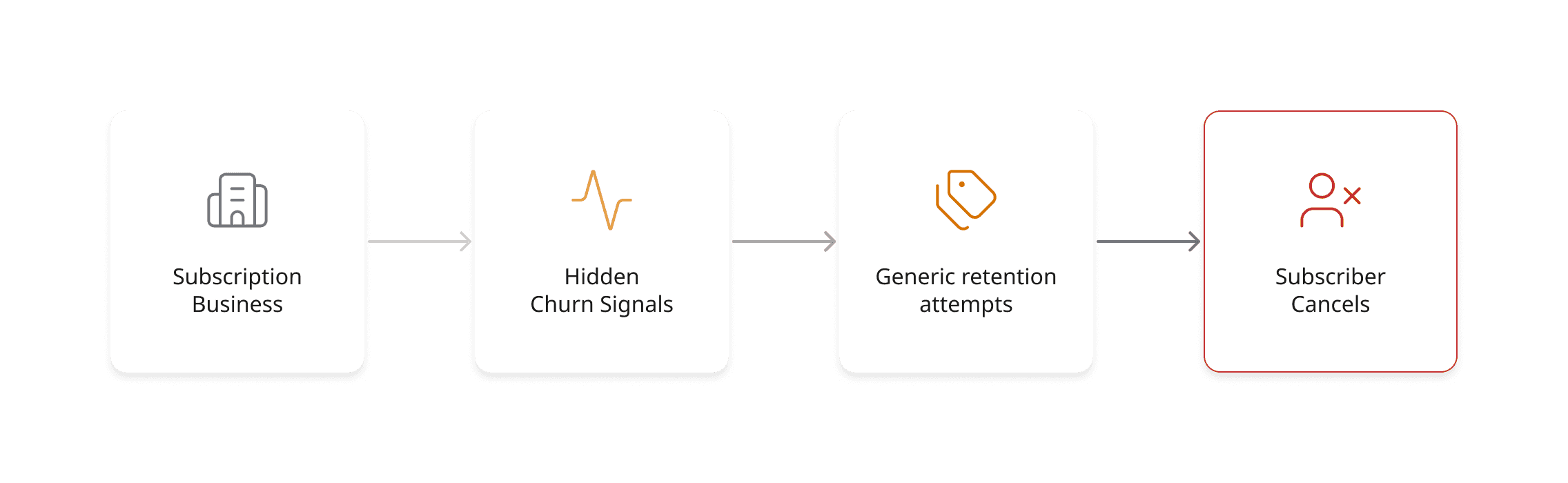
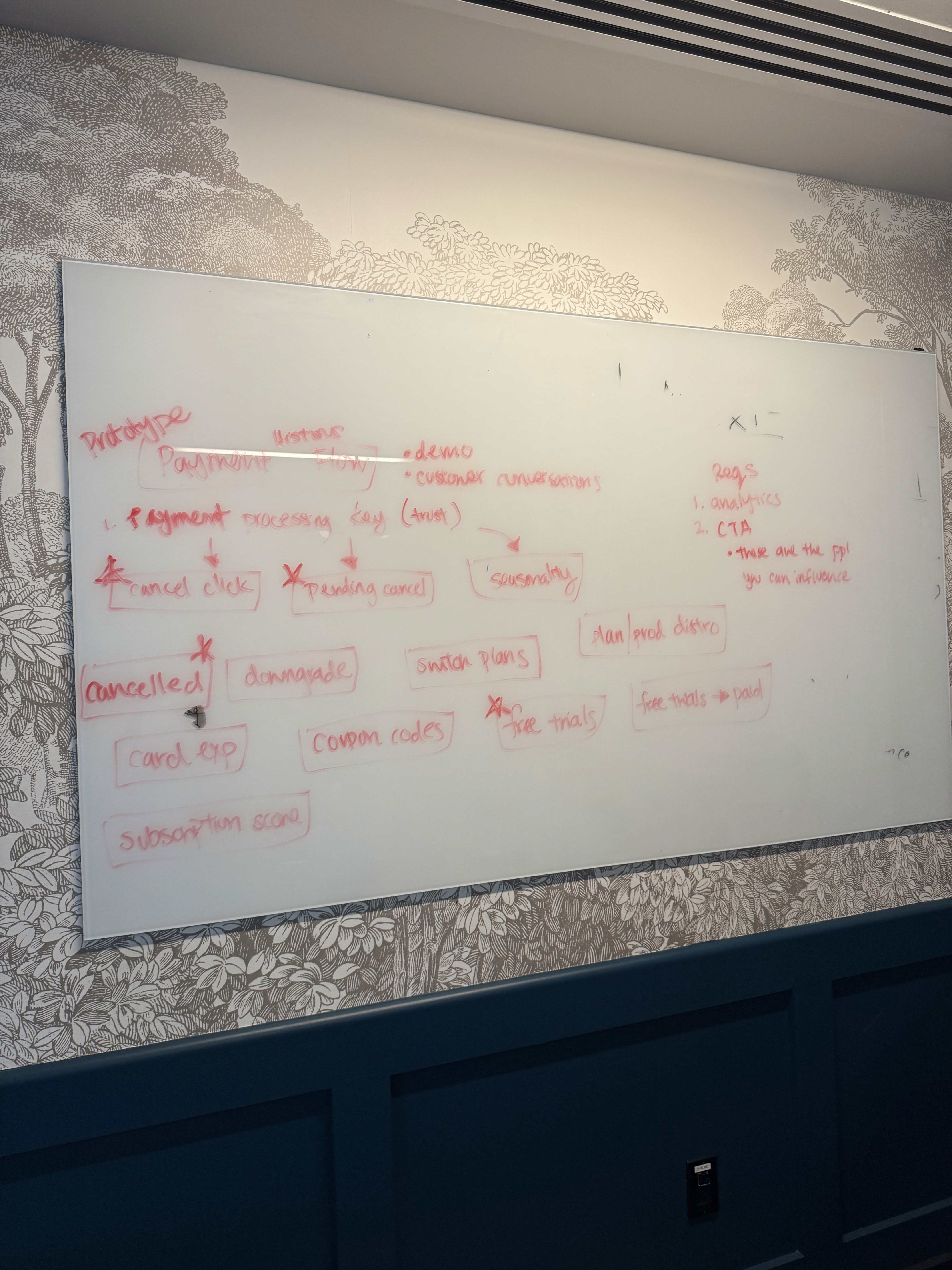
THE PROCESS
Insights
01
02
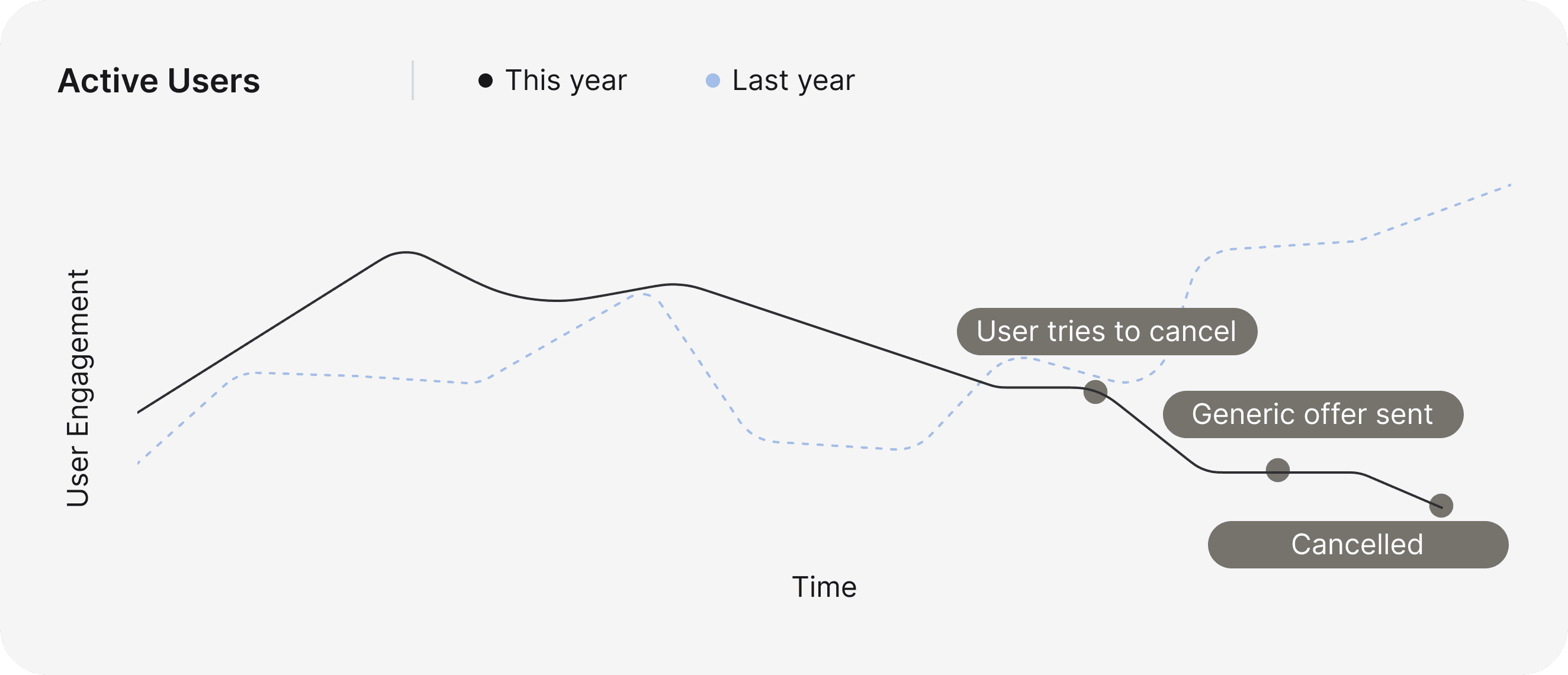
03
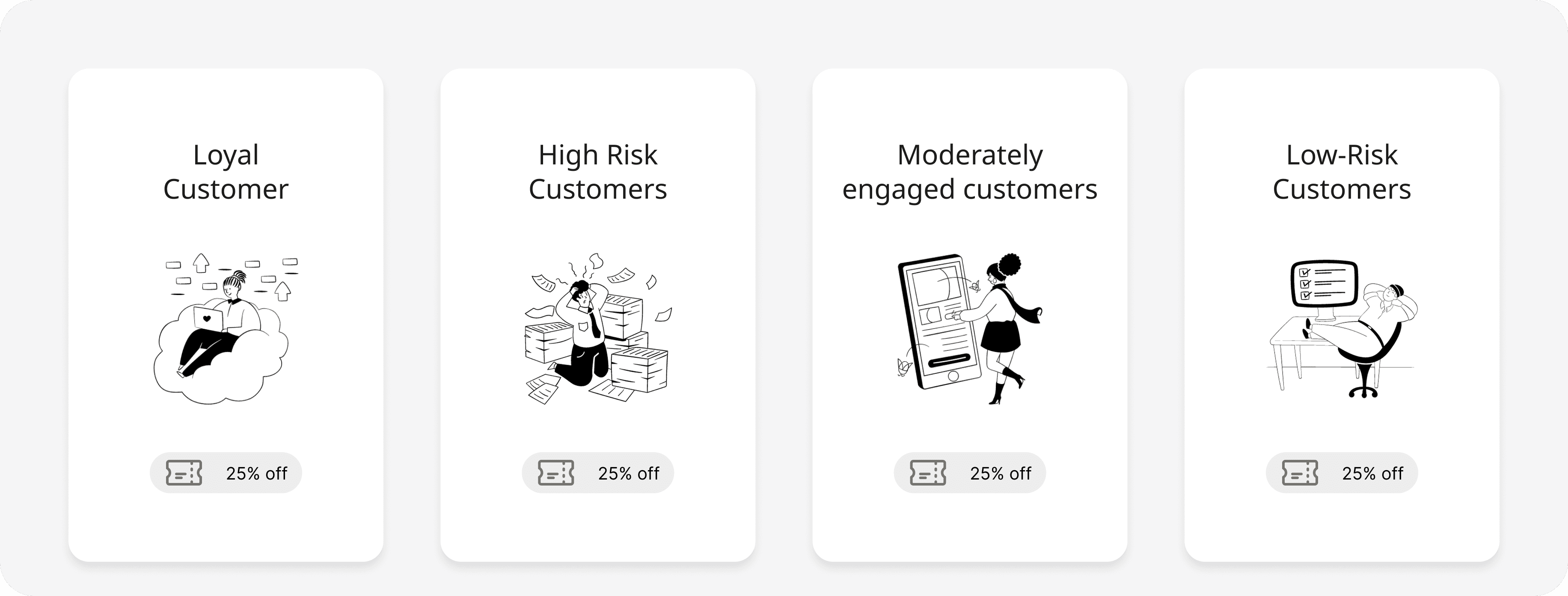
THE STRATEGY
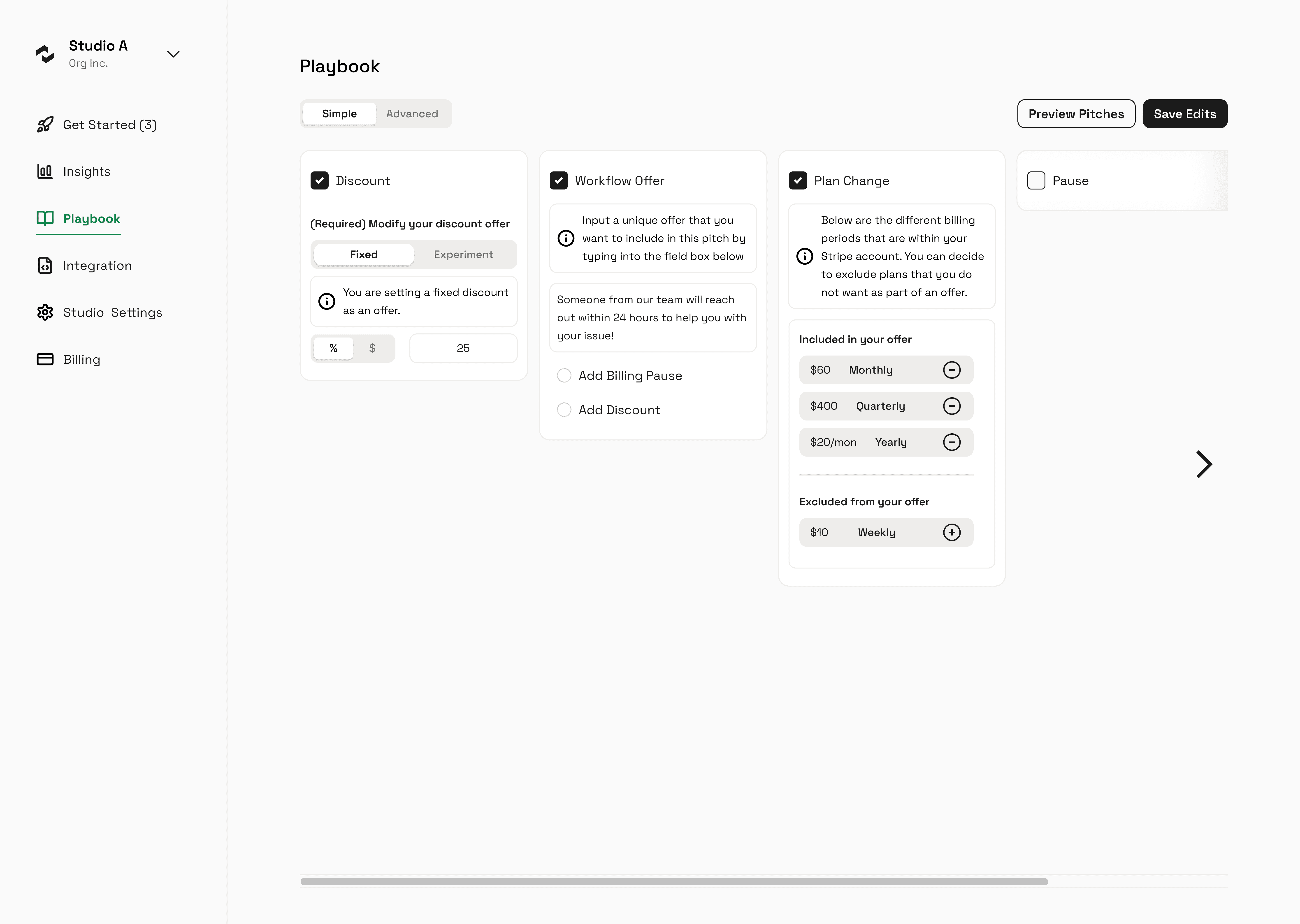
Create a flexible incentive system instead of one-size-fits-all discounts
Rather than relying on generic discounts, I designed a workflow that allows businesses to define and manage different types of incentives.
This made it easier to tailor offers to different customer situations, instead of treating every subscriber the same.
Use rule-based logic as a starting point for personalization
Instead of jumping straight into AI, I introduced a rule-based system that businesses could configure and understand.
This allowed us to test and learn what works, while creating a structured foundation that could evolve into more intelligent personalization over time.
Redesign the cancel survey to capture clearer signals
I rethought the cancellation flow to go beyond a simple form and better capture why customers were leaving.
These signals helped inform how businesses respond in the moment, and created a stronger foundation for improving retention strategies moving forward.
the design
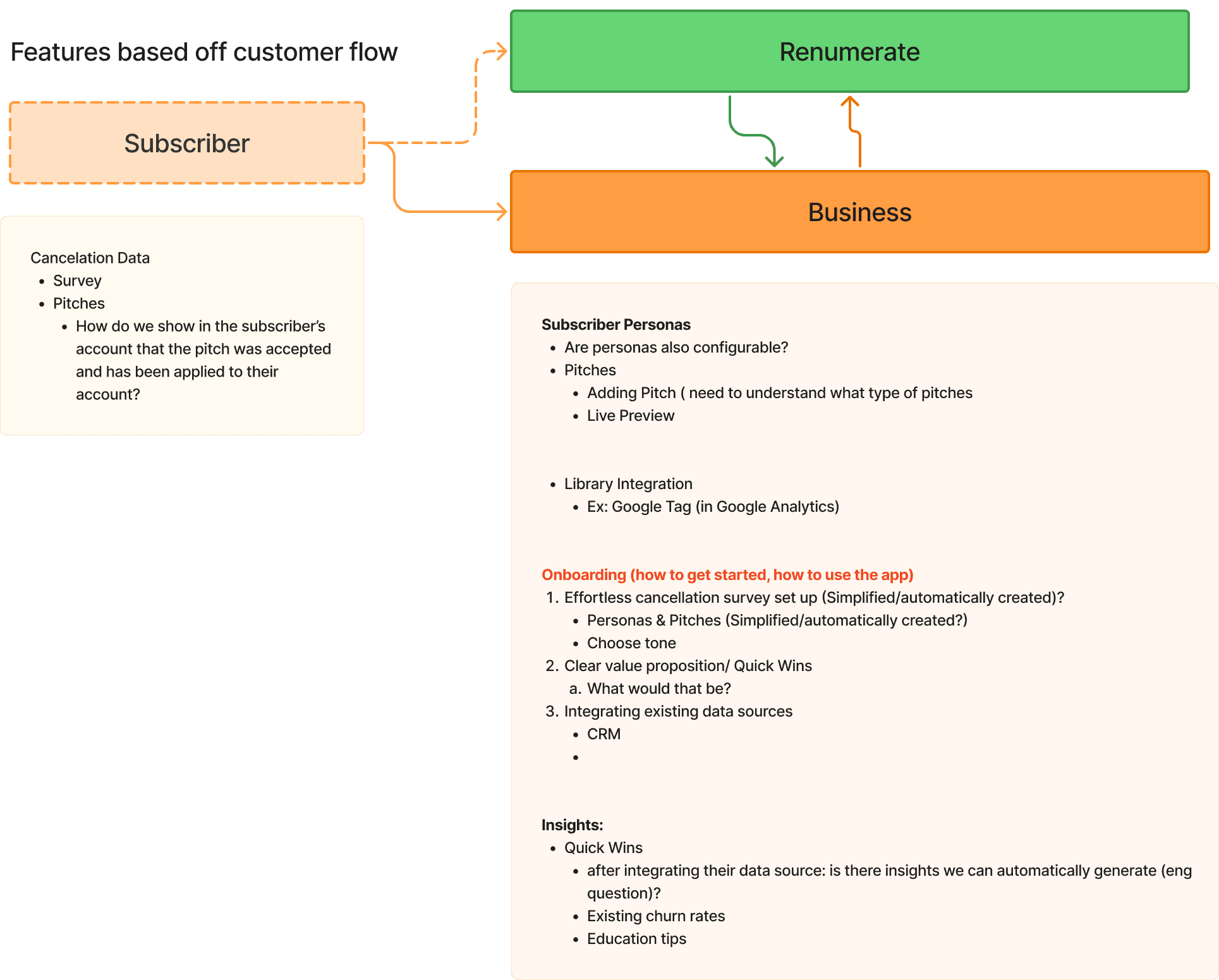
I designed the experience to connect three key moments: understanding why users leave, translating that into actionable signals, and helping businesses respond with the right incentive.
BUSINESS EXPERIENCE
Designed tools for businesses to:
Understand churn signals
Configure retention strategies
Track performance
Focus visuals on:
Playbook
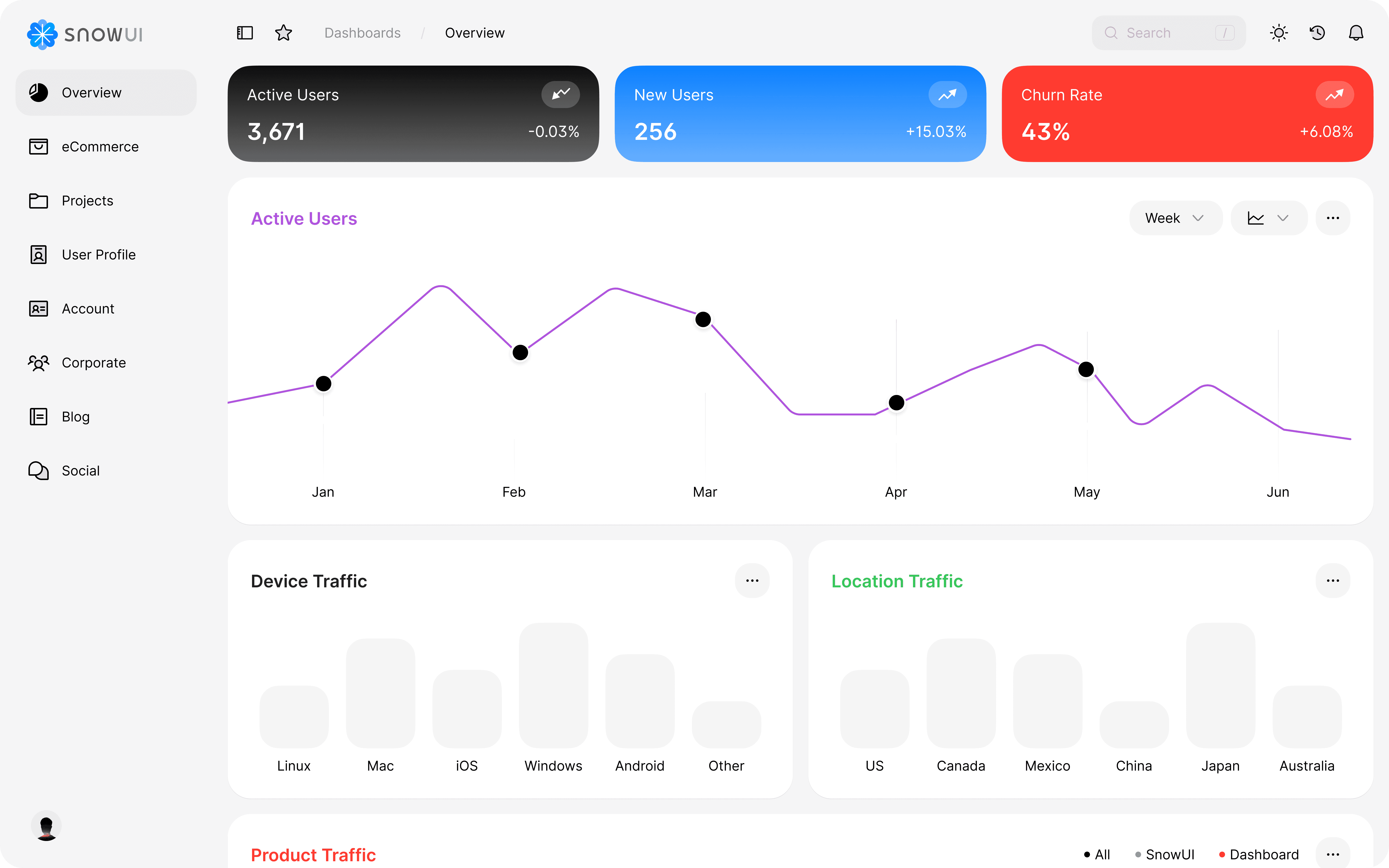
Dashboard
Incentive setup
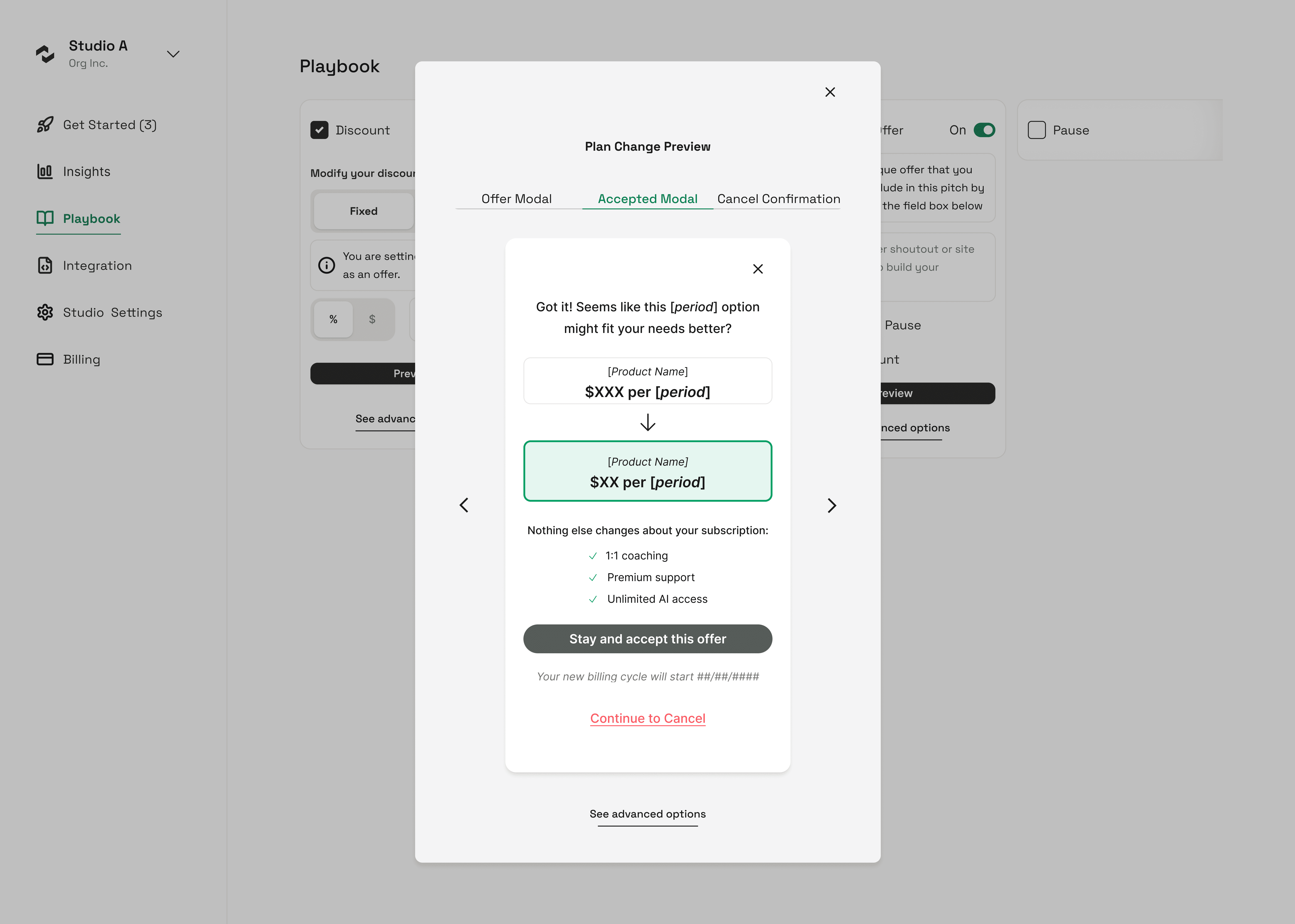
Subscriber Experience
Designed the cancellation and retention flow:
• smart cancel survey to capture real reason(s) subscribers were leaving
• personalized incentive delivery
• decision moment UX
REFLECTION
Stepping into a Founding Product Designer role meant figuring things out beyond just the UI. I had to think about how product strategy and design come together while building something completely from scratch. At times, that felt overwhelming, especially in the beginning when I was trying to think too far ahead about what this could become.
Over time, I learned to take a step back and focus on what we could build right now, get it in front of users, and iterate from there. That shift helped me stay grounded and make real progress instead of getting stuck overthinking.
I also got a lot more comfortable working closely with business leaders to align on priorities, while making sure engineering was part of the process so what we designed could actually be built. This experience really shaped how I think about early-stage products, balancing long-term vision with what’s practical and focusing on moving forward rather than getting everything perfect upfront.
UP NEXT